

Breast Cancer Awareness: Symptoms, Risk Factors, Early Detection & Prevention
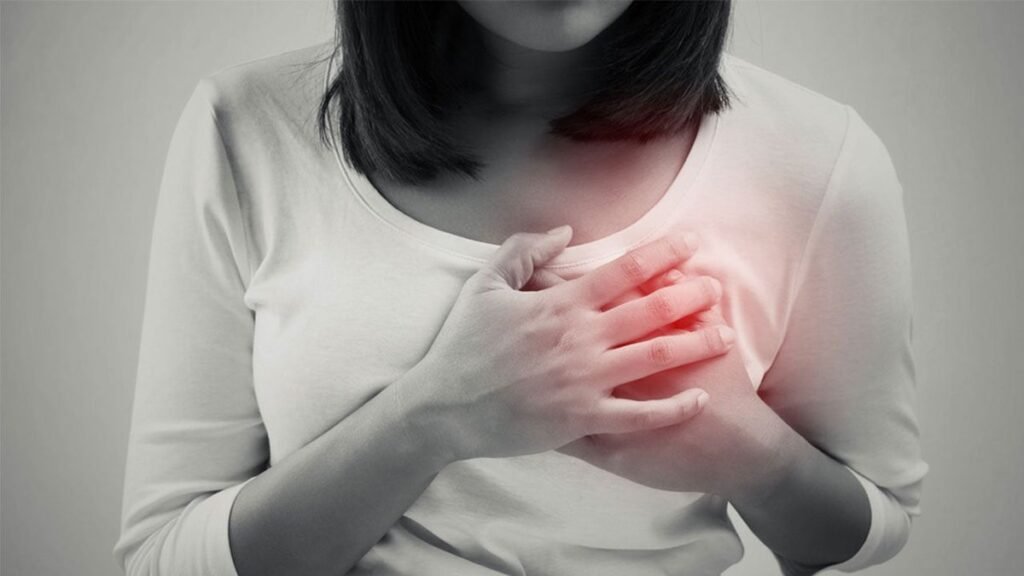
Breast cancer is one of the most common cancers affecting women worldwide. Increasing awareness about breast cancer can help individuals recognize warning signs, understand risk factors, and seek timely medical care. Early detection plays a crucial role in improving treatment outcomes and survival rates.
What is Breast Cancer?
Breast cancer occurs when abnormal cells in the breast grow uncontrollably and form a tumor. It can develop in different parts of the breast, including the ducts, lobules, or surrounding tissues.
Although breast cancer is more common in women, men can also develop breast cancer.
Common Signs and Symptoms of Breast Cancer
Some warning signs may include:
- A new lump in the breast or underarm
- Changes in breast size or shape
- Skin dimpling or puckering
- Nipple inversion
- Unusual nipple discharge
- Redness or swelling of the breast
- Persistent breast pain
Not every symptom indicates cancer, but any unusual change should be evaluated by a healthcare professional.
Risk Factors for Breast Cancer
Several factors may increase the risk of developing breast cancer:
- Increasing age
- Family history of breast cancer
- Genetic mutations such as BRCA1 and BRCA2
- Obesity
- Smoking and alcohol consumption
- Hormonal factors
- Previous radiation exposure
Having one or more risk factors does not necessarily mean a person will develop breast cancer.
Importance of Early Detection
Early detection significantly improves treatment success and survival rates.
Methods for early detection include:
- Breast awareness
- Clinical breast examinations
- Mammography
- Ultrasound when recommended
- Regular medical checkups
Women should discuss appropriate screening schedules with their healthcare provider.
Can Breast Cancer Be Prevented?
While breast cancer cannot always be prevented, certain lifestyle choices may help reduce risk:
- Maintaining a healthy weight
- Regular physical activity
- Eating a balanced diet
- Avoiding tobacco products
- Attending regular health screenings
When Should You See a Doctor?
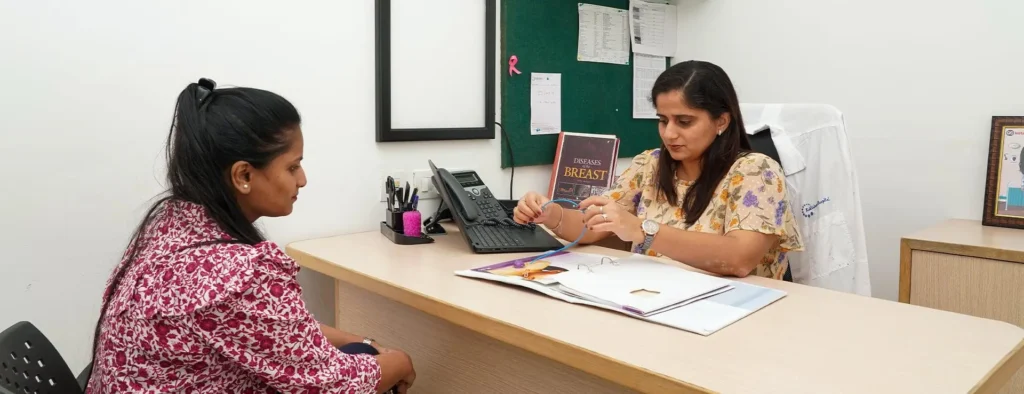
Consult a doctor if you notice:
- A new breast lump
- Changes in breast appearance
- Persistent breast pain
- Nipple discharge
- Skin changes affecting the breast
Prompt evaluation can help identify the cause and guide appropriate treatment.
Frequently Asked Questions
Is every breast lump cancer?
No. Many breast lumps are non-cancerous, but they should always be evaluated by a doctor.
Can young women develop breast cancer?
Yes. Although risk increases with age, breast cancer can occur in younger women.
Can men get breast cancer?
Yes. Breast cancer can affect men, although it is less common.
How often should I undergo breast screening?
Screening recommendations vary based on age and individual risk factors. Consult your healthcare provider for personalized advice.
Conclusion
Breast cancer awareness is essential for promoting early detection and timely treatment. Understanding the symptoms, risk factors, and importance of screening can help individuals take proactive steps toward maintaining breast health. If you notice any unusual breast changes, consult a qualified healthcare professional for evaluation and guidance.