
Patient Education: Hernia – Symptoms, Causes, Types & Treatment Options
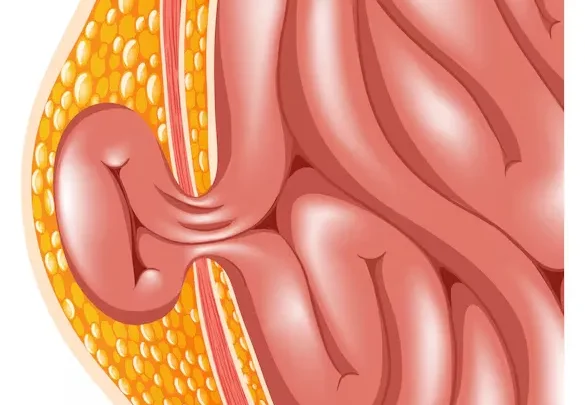
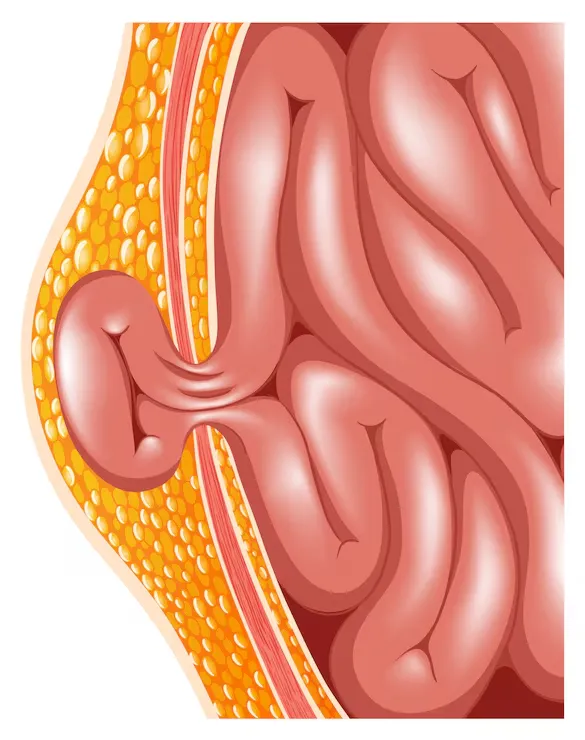
A hernia is a common medical condition that occurs when an internal organ or tissue pushes through a weak area in the surrounding muscle or connective tissue. Hernias can affect people of all ages and may develop gradually over time. While some hernias cause little discomfort initially, they can become larger and lead to complications if left untreated.
Understanding the symptoms, causes, and treatment options for hernias can help patients seek timely medical care and prevent future complications.
What is a Hernia?
A hernia develops when an organ or fatty tissue protrudes through a weakened area of muscle or fascia. The most common location is the abdominal wall, although hernias can occur in several parts of the body.
A hernia may appear as a visible bulge beneath the skin that becomes more noticeable when standing, coughing, or lifting heavy objects.
Common Symptoms of a Hernia
- A visible lump or bulge
- Pain or discomfort during physical activity
- Burning or aching sensation
- Feeling of heaviness in the abdomen
- Swelling around the affected area
- Discomfort while coughing or bending
Types of Hernias
1. Inguinal Hernia
2. Umbilical Hernia
3. Incisional Hernia
4. Femoral Hernia
A femoral hernia appears in the upper thigh or groin region and is more common in women.
5. Hiatal Hernia
A hiatal hernia occurs when part of the stomach pushes upward through the diaphragm into the chest cavity.
What Causes a Hernia?
- Heavy lifting
- Chronic coughing
- Obesity
- Pregnancy
- Aging and muscle weakness
- Family history of hernias
In many cases, a combination of muscle weakness and increased abdominal pressure leads to hernia formation.
Risk Factors
You may be at higher risk if you:
- Frequently lift heavy weights
- Are overweight or obese
- Smoke regularly
- Have chronic respiratory conditions
- Have undergone abdominal surgery
- Have a family history of hernias
Maintaining a healthy lifestyle can help reduce some of these risks.
When Should You See a Doctor?
You should seek medical attention if you notice:
- A new bulge in the abdomen or groin
- Persistent pain or discomfort
- Swelling that increases in size
- Difficulty performing daily activities
- Nausea, vomiting, or severe abdominal pain
Early evaluation allows for timely diagnosis and treatment.
How is a Hernia Diagnosed?
A doctor can often diagnose a hernia through a physical examination. In some cases, imaging tests may be recommended, including:
- Ultrasound
- CT Scan
- MRI Scan
- Endoscopy (for hiatal hernias)
These tests help determine the size and location of the hernia.
Treatment Options for Hernia
Watchful Waiting
Small hernias that cause minimal symptoms may be monitored under medical supervision.
Hernia Surgery
Surgery is the most effective treatment for most hernias and helps prevent complications.
Open Hernia Repair
The surgeon makes an incision over the hernia and repairs the weakened tissue.
Laparoscopic Hernia Repair
A minimally invasive technique performed through small incisions using a camera and specialized instruments. Benefits may include:
- Smaller scars
- Less post-operative pain
- Faster recovery
- Earlier return to daily activities
Your surgeon will recommend the most appropriate treatment based on your condition.
Frequently Asked Questions
Can exercise cure a hernia?
Is hernia surgery safe?
Modern hernia surgery is generally safe and highly effective when performed by an experienced surgeon.
How long does recovery take?
Recovery varies depending on the type of surgery and individual health, but many patients return to normal activities within a few weeks.
Can a hernia come back after surgery?
Recurrence is possible but can be minimized through proper surgical repair and lifestyle modifications.
Conclusion
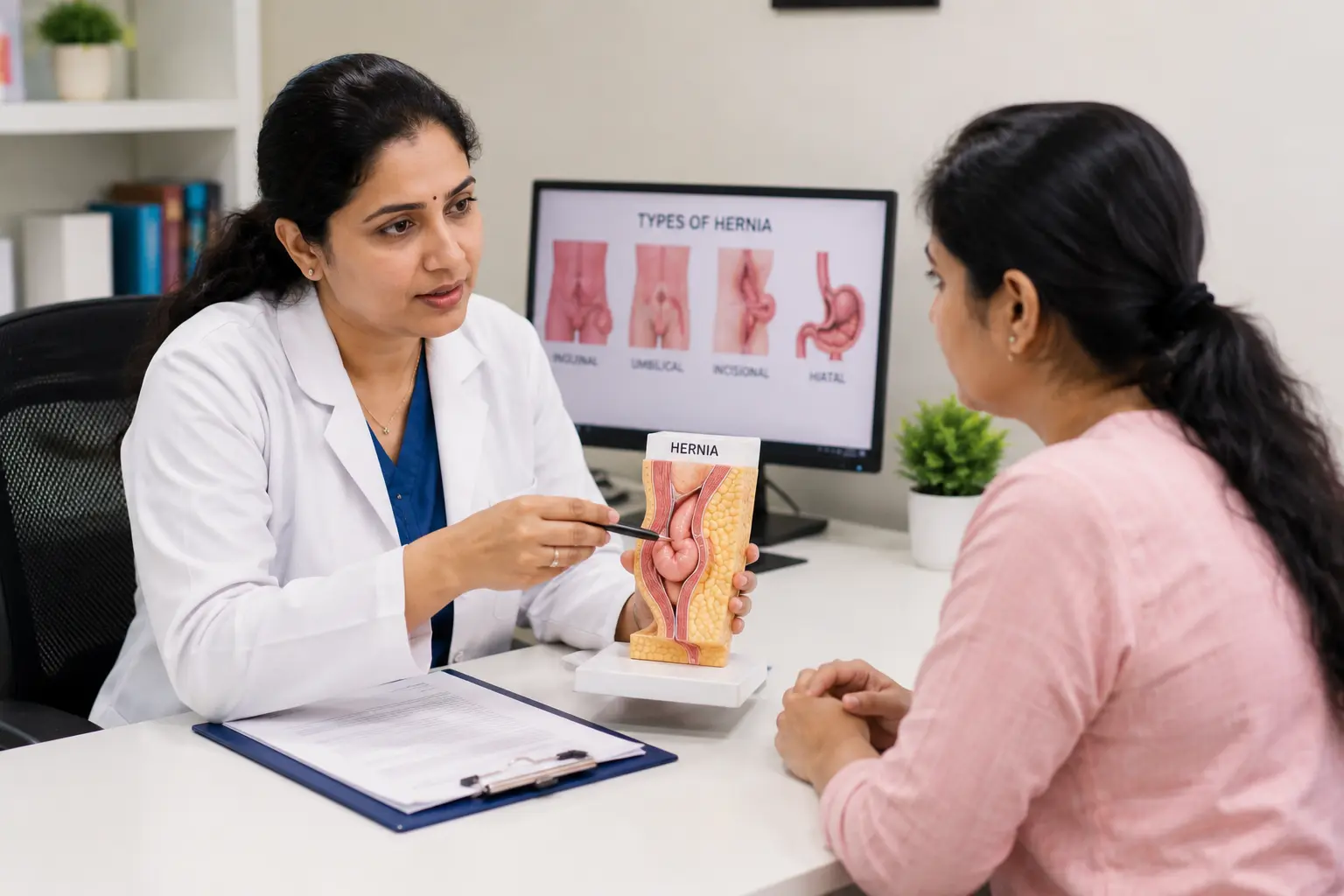
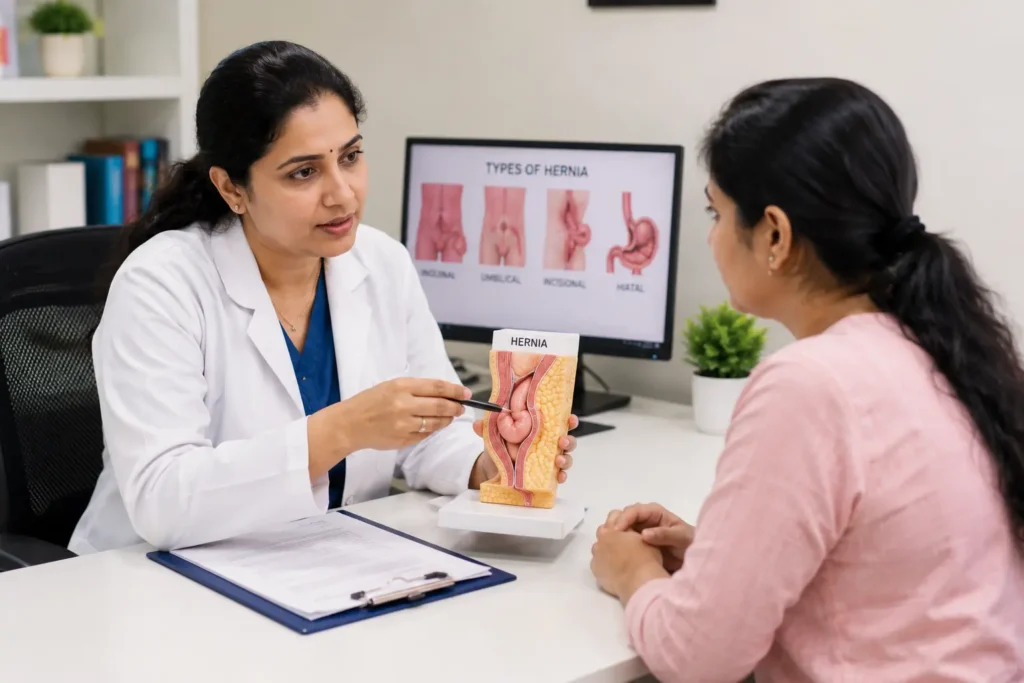
A hernia is a common condition that should not be ignored. Early diagnosis and appropriate treatment can prevent complications and improve quality of life. If you notice a lump, swelling, or discomfort in the abdomen or groin area, consult a qualified surgeon for evaluation and personalized treatment recommendations.